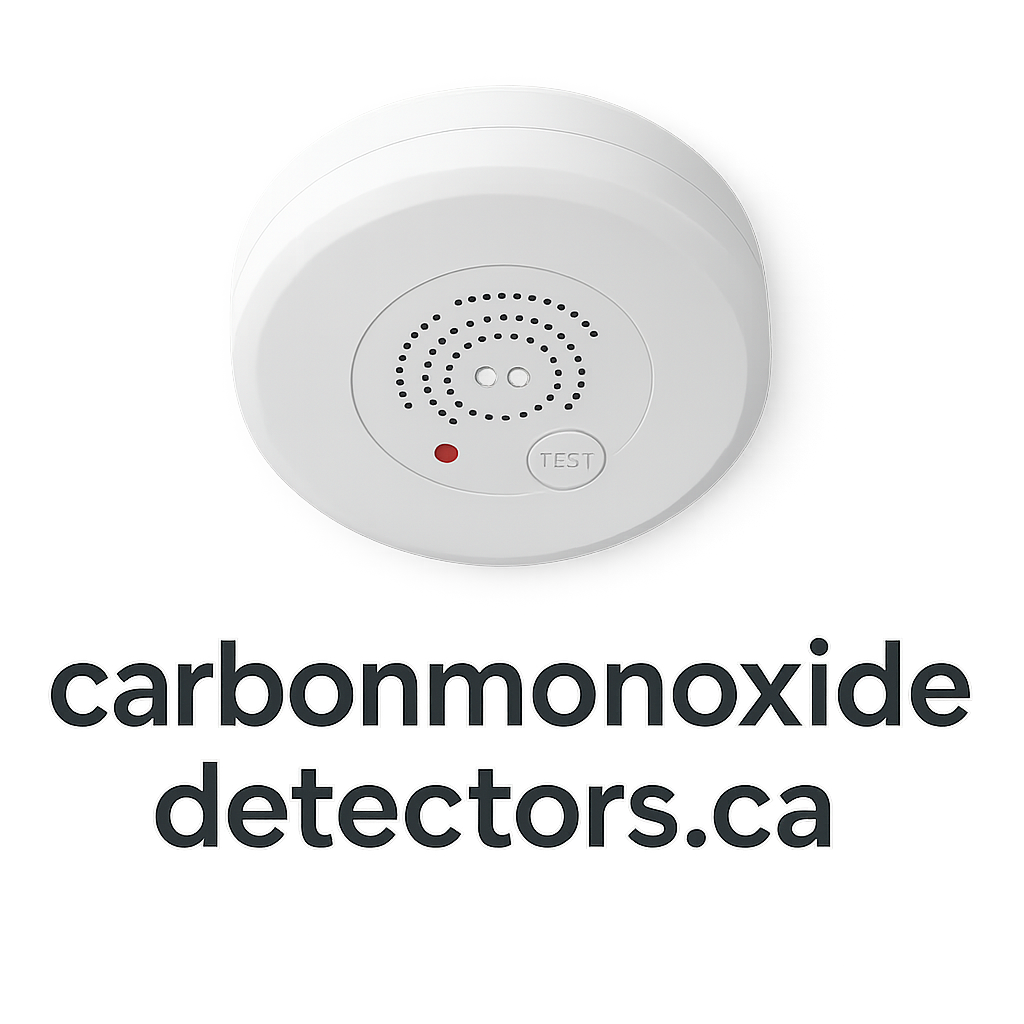
Buying a detector
- Look for a recognized Canadian certification mark such as CSA, ULC, cULus, or cETLus.
- Choose a CO alarm that meets CSA 6.19 and a smoke alarm that meets CAN/ULC-S531.
- Avoid uncertified products from online marketplaces; several recent Health Canada recalls involve these alarms.
- Consider a combination smoke/CO alarm only if it is certified for both hazards.
Smoke alarm placement
- Install smoke alarms on every storey of the home, including the basement.
- Place one outside each sleeping area and, where possible, inside every bedroom.
- Keep alarms at least 3 m from cooking appliances to reduce false alarms.
- For the best coverage, choose photoelectric or dual-sensor alarms.
CO alarm placement
- Inside each bedroom, or outside each bedroom within 5 m of the bedroom door.
- On every storey of the home, especially near sleeping areas.
- Follow the manufacturer’s recommended mounting height — CO mixes with air, so height matters.
- Keep alarms away from windows, vents, bathrooms, and dusty areas.
Maintenance
- Test every alarm monthly by pressing the test button.
- Replace batteries at least once a year, or when the low-battery chirp sounds.
- Replace smoke alarms every 10 years and CO alarms every 7–10 years (follow the manufacturer’s date stamp).
- Never paint over or disable a smoke or CO alarm.
If the alarm sounds
- Leave the building immediately and get fresh air.
- Call 911 or your local emergency number from outside.
- Do not re-enter until emergency responders clear the building.
- Have all fuel-burning appliances inspected by a qualified technician before using them again.
Frequently asked questions
Loading FAQs…
Emergency? If you suspect carbon monoxide poisoning, leave immediately and call 911. This website is for reference only and is not a substitute for professional advice or emergency services.